Child Welfare When Working With Kids

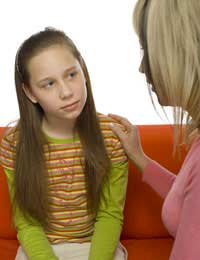
The safety and well being of all children is paramount and is something that every adult - be they a parent or not - should be concerned about. If you are in doubt about the welfare of a child you know there are several things you should do.
If you come across a child during your course of work, whom you suspect is being neglected or abused your should:1. Speak To The Child
You may find the issue can be explained away with a logical explanation but it is best to try and gain some information from the child if you can. Try and do this in a non-intrusive manner if possible i.e. don't come right out and ask but to try and glean information in a way that makes the child feel at ease to talk without feeling they are betraying a trust.2. Consult a Professional
If you do think there are grounds for the authorities to be involved it is best to speak to a professional before making any official complaints. A lot of time is wasted every year by Social Services and other government bodies investigating suspected instances of child neglect because people have - with the best intentions - misread a situation and misread the signs. Speaking to a professional, even if it is only by telephoning an advice line is the first step on making a positive assessment of the situation.3. Provide as Much Information as You Can
This is a very important factor in any potential child welfare investigation. In order for Social Services and other government bodies - including the police - to launch an investigation there has to be sufficient grounds and likewise sufficient evidence. If you suspect that something is amiss then it is best to write down everything you know. Don't surmise or be subjective in your information; simply detail what you know in a clear and concise manner so that Social Workers or police officers can determine for themselves if there are grounds for an enquiry.4. Look for Visual Signs
If a child has been neglected or has suffered physical abuse there may well be visual signs that present themselves to you. It is important to look carefully and be objective in this matter. Some children are prone to falling down a lot so bruising on the arms and legs may not simply be enough. Look for signs of withdrawal in a child. Have they suddenly stopped interacting with other children and adults? If they are in your company for long periods of time are they eating? If they are with you overnight are they prone to bedwetting where once the problem did not occur? These are important signs and should be documented as best you can. Again remember that it is the child's welfare that is most important so being objective is very important.What To Do Next?
If - for example - you are a teacher and suspect that a pupil in your charge is suffering from neglect then it is important that you make your suspicions and findings known to a senior teacher or headteacher as soon as you can. Most head teachers are trained to some degree in dealing with such scenarios, or there may be a dedicated member of staff who deals with child welfare. In voicing your suspicions you may find issues have also been raised by other teachers or adults who are spending periods of time in the company of the child.Inform the authorities if you feel that there are grounds of an inquiry; Social Services in conjunction with the police are well versed in dealing with such cases and make the child a priority. Child focused investigations can sometimes take a long time to complete and it is important that all the necessary steps are taken to ensure the child's safety at all times.
Local Education Authority (LEAs) and council websites will be able to provide you with information and a check list of things to look for if you suspect issues of child neglect.
Business Energy With a Difference
If you are looking for business energy or need advanced solutions like remote energy monitoring, new supplies, downgrading or upgrading capacity, have a no obligation chat with Purely Energy.
To find our more get in touch here. or call 0161 521 3400.








Re: Becoming a Special Needs Volunteer
My name is Cynthia , and I have a strong interest in supporting children with special needs. I deeply admire the work your…
Re: Becoming a Special Needs Volunteer
Dear Sir/Madam, My name is Emayak Blessing Ochonogor. I will be 34 years old this November the 25th. I am writing this…
Re: Working at a Children's Home
Hi I am just wondering I am keen to work I. A children home having been in care myself I have no gcsc in childcare
Re: Working in Respite Care for Children
Hello, there As lots of people here seem to be, I am an SEMH/SEND teacher and have met multiple parents over the years…
Re: Working as a Learning Support Assistant
Hi I am working as Learning support worker level 2. How can i upgrade my level to get better pay . Please Guide me…
Re: Becoming a Special Needs Volunteer
I have been in the caring profession all my working life . Was in the army in QARANC , senior auxiliary nursing residents…
Re: Becoming a Special Needs Volunteer
Have worked in the care field all my working life . Support worker with children with behaviour problems. Senior auxiliary…
Re: Creches
Hi, I passed my LV3 Childcare online and worked day to day in different nursery for the nursery manager it’s not a reel experience and it’s right I don’t…
Re: What You Need to Know About Being a Scout Leader
Is work at jim's on a On a farm. And stuff around the house.
Re: Becoming a Special Needs Volunteer
Dear Sir/madam, I'm interested in volunteering in SNE field as a volunteer as eventually would like to work in this field…